
Call us now :08045801569
 Send Inquiry
 Send Inquiry
Data Acquisition System Das
Data Acquisition System Das Specification
- Measurement Range
- Wide range across multiple channels
- Resolution
- High resolution for data plots
- Sensor Type
- Compatible with voltage current and other sensors
- Frequency
- Up to 1 MHz Megahertz (MHZ)
- Humidity %
- Operating range: 10% to 90% RH
- Capacity
- Data storage capacity up to 1TB Ton
- Temperature Range
- 10C to 50C Celsius (oC)
- Connectivity Type
- Ethernet USB
- Material
- Metal and plastic casing
- Power Supply
- 220V AC/50Hz
- Power Consumption
- Low power consumption (<50W) Watt (W)
- Display Type
- Other
- Range
- Multi-channel data input range
About Data Acquisition System Das
Specification
| Type | Software |
| Features | Digital Data |
| Maximum Numbers of parameters | 32 |
| Sensor Technology | RS 232 |
| Measurement | Continuous |
| Readout | Digital. |
| Resolution | Values. |
| Output | Data |
| Range/Resolution | Value |
| Response Time | < instant. |
| Sampling Input | Digital. |
| Included accessories | CD. |
| Optional accessories | PC with Printer, modem, GPRS. |
| Applications | collect, store, log data from field parameters for analysis. |
| Housing | High Impact Plastic. (ABS) |
| Industries | All. |
| Temperature Range | 0 55 C |
Versatile Multi-Channel Data Acquisition
This Data Acquisition System supports a wide variety of voltage, current, and compatible sensor types across multiple channels. Its broad measurement capability and high-frequency response make it ideal for both simple and advanced monitoring tasks, providing real-time, high-resolution data for critical decision-making.
User-Friendly Connectivity and Integration
Equipped with Ethernet and USB ports, this system easily interfaces with existing network infrastructures and personal computers. This versatility simplifies the process of collecting, transferring, and analyzing data, supporting diverse operational environments in research, manufacturing, or industrial settings.
Robust Storage and Power Efficiency
With up to 1TB of built-in data storage, the DAS enables long-term and intensive data collection without frequent offloading. The system operates on standard 220V AC/50Hz power while maintaining low energy consumption (below 50W), making it both cost-effective and environmentally considerate.
FAQ's of Data Acquisition System Das:
Q: How do I set up and operate the Data Acquisition System with multi-channel inputs?
A: Setting up the system involves connecting your desired sensors (voltage, current, or others) to its input channels. Simply power the unit with a 220V AC supply, connect via Ethernet or USB, and use the provided software to configure channels and start data collection.Q: What types of environments are suitable for using this DAS?
A: The system operates effectively in environments with humidity between 10% and 90% RH and temperatures from 10C to 50C. Its robust metal and plastic casing ensures reliable performance in research labs, industrial plants, or manufacturing floors in India and abroad.Q: When is it beneficial to use this system's high data storage capacity?
A: The 1TB storage capacity is particularly useful during long-term monitoring or high-frequency data acquisition (up to 1 MHz), allowing users to capture and store extensive datasets without interruption or frequent manual downloads.Q: Where can data be accessed and analyzed after collection?
A: Data is accessible locally via USB or over a network using Ethernet connectivity. The system's software enables users to plot and analyze data on personal computers or servers, offering flexibility for both on-site and remote analysis.Q: What is the process for connecting different types of sensors to the DAS?
A: The system is designed for easy sensor integration. Attach compatible voltage or current sensors directly to the input terminals; additional sensor types can often be accommodated using standard adapters or modules provided by the manufacturer.Q: How does the system's low power consumption benefit users?
A: With a power draw below 50W, the system significantly reduces operating costs, minimizes heat generation, and supports continuous use without excessive energy demands-an advantage for both economic and environmental considerations.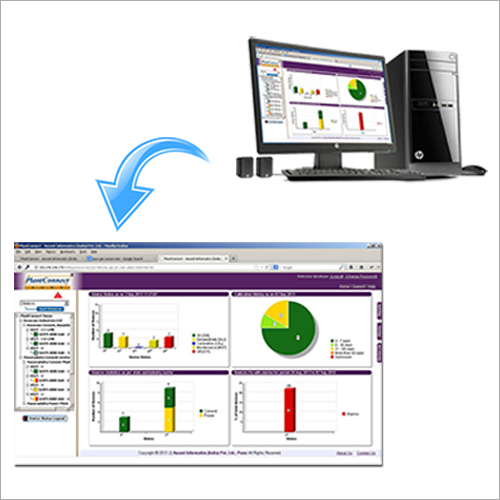
Tell us about your requirement

Price:
Quantity
Select Unit
- 50
- 100
- 200
- 250
- 500
- 1000+
Additional detail
Mobile number
Email

More Products in Moisture and Dew Point Analyzer Category
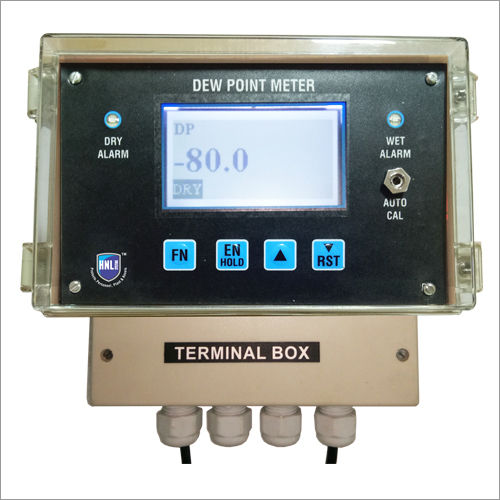
Dew Point Analyzer DP-200
Price 145000 INR / Piece
Minimum Order Quantity : 1 Piece
Power Supply : 230 V AC , 50 Hz
Material : Plastic
Range : PPM
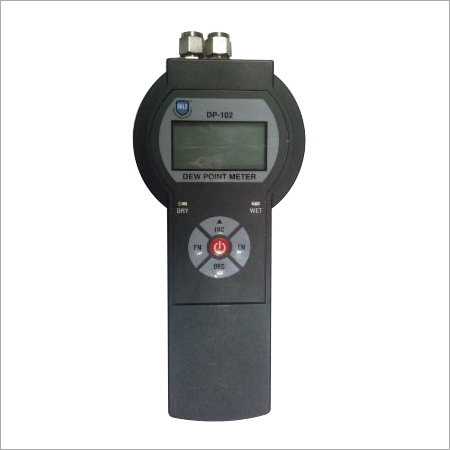
Portable Dew Point Meter DP-102
Price 60000.0 INR / Piece
Minimum Order Quantity : 2
Power Supply : 6 V DC rechargeable
Material : Dew Point Meter
Range : 60 to +30 deg cel
Display Type : Digital Only
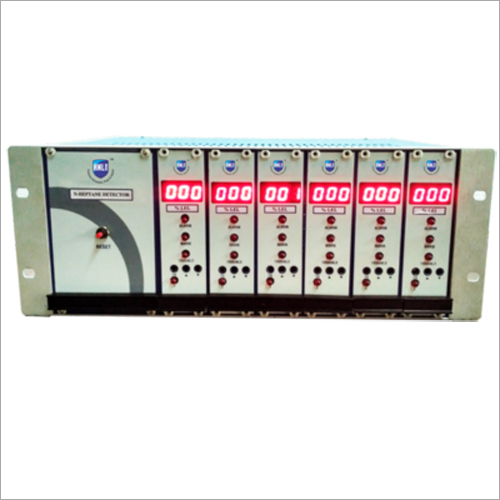
Universal Receiver Controller Rc-200
Power Supply : 220V AC
Material : Metal Enclosure
Range : Universal
Display Type : Other
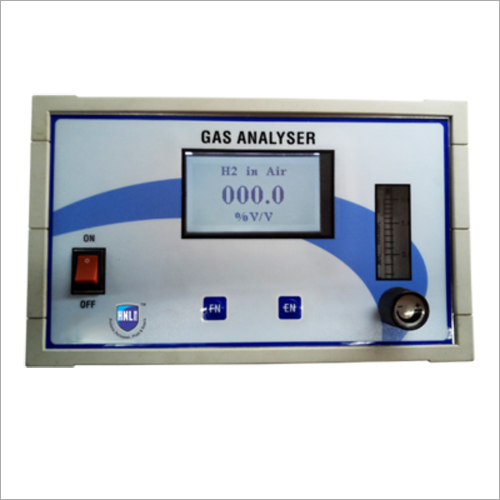
Multi Gas Analyzer Ga-150
Power Supply : 220V AC
Material : Metal and Plastic
Range : Wide Range
Display Type : Other, Digital Display

 Send Inquiry


Our Products


25/N, Laxmi Industrial Estate, New Link Road, Andheri (W), Mumbai - 400053, Maharashtra, India

Mr Shubhankit G Tiwari
(Sr. Application Engineer )
Mobile :08045801569
 Send Inquiry
 Send SMS
Developed and Managed by Infocom Network Private Limited.
 English
 Spanish
 French
 German
 Italian
 Chinese (Simplified)
 Japanese
 Korean
 Arabic
 Portuguese